Understanding the Two Main Types of Bentonite
Bentonite is commonly classified according to the predominant exchangeable mineral ion present in the clay. Two widely recognized categories are sodium bentonite and calcium bentonite.
Although both originate from bentonite clay, they differ in swelling behaviour, absorption characteristics and suitability for particular applications.
What Is Sodium Bentonite?
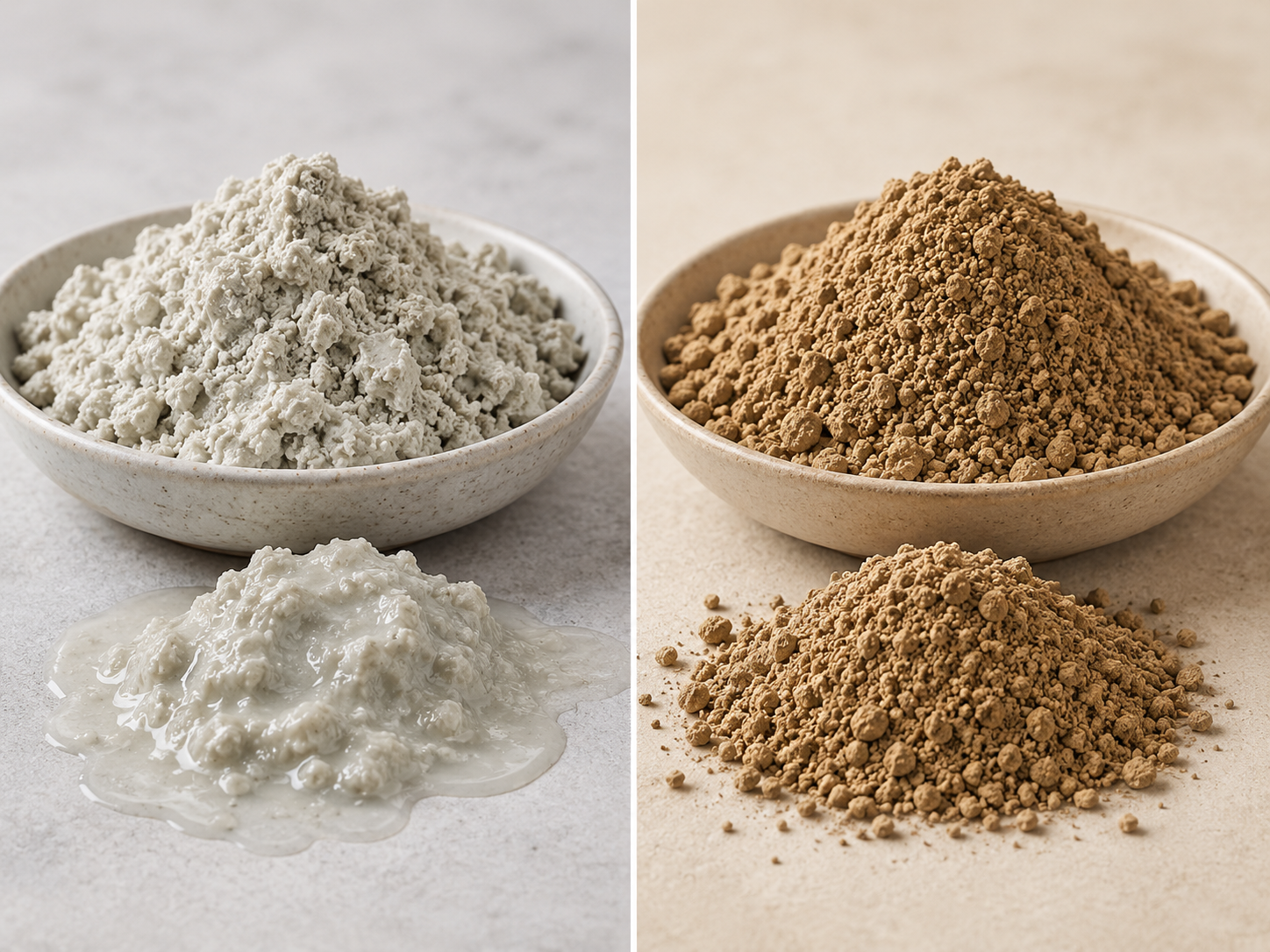
Sodium bentonite is known for its ability to absorb water and expand. When hydrated, it can form a dense, low-permeability mass, making it suitable for applications where swelling, viscosity development or sealing is required.
Common Applications of Sodium Bentonite
Sodium bentonite may be used in:
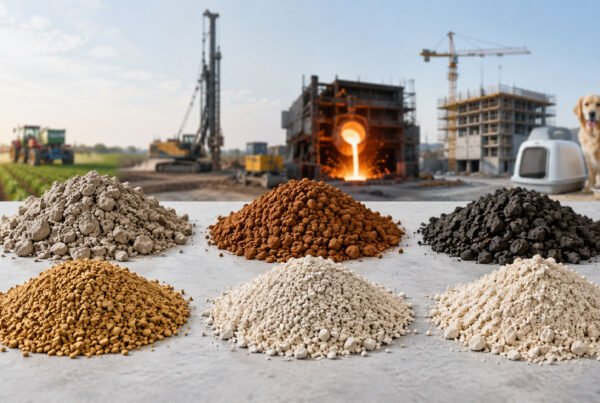
Drilling and borewell fluids
Pond and canal lining
Landfill and waste-containment barriers
Waterproofing and sealing systems
Foundry sand bonding
Selected pet litter products
Its performance depends on product grade, mineral composition, processing and application conditions.
What Is Calcium Bentonite?
Calcium bentonite generally offers lower swelling than sodium bentonite but can provide useful absorption and adsorption characteristics. It is used in agriculture, absorbent products and selected industrial formulations.
Common Applications of Calcium Bentonite
Calcium bentonite may be suitable for:
Agriculture-input formulations
Soil-conditioning products
Absorbent applications
Mineral carriers and fillers
Selected industrial formulations
General-purpose granulated products
The required grade should be chosen according to the final product and processing method.
Main Differences Between Sodium and Calcium Bentonite
Swelling Behaviour
Sodium bentonite generally provides higher swelling when exposed to water. Calcium bentonite typically expands less and may be preferred where strong swelling is not the primary requirement.
Sealing Performance
The expansion of sodium bentonite makes it suitable for many sealing and containment applications. Installation conditions and engineering requirements must still be evaluated before use.
Absorption and Formulation Use
Both types may offer absorption-related benefits, although their behaviour varies. Calcium bentonite is often considered for absorbent and formulation applications, while sodium bentonite is frequently selected where swelling or viscosity is important.
Application Suitability
Sodium bentonite is commonly associated with drilling, sealing and civil engineering. Calcium bentonite is frequently used in agriculture, absorbent products and general industrial formulations.
Which Bentonite Type Should You Choose?
The right selection depends on:
Intended application
Required swelling or absorption
Particle size and product form
Moisture and colour expectations
Processing compatibility
Required packaging and order volume
Buyers should not select bentonite only by product name. Technical requirements and application conditions should also be considered.
Source the Right Bentonite Grade
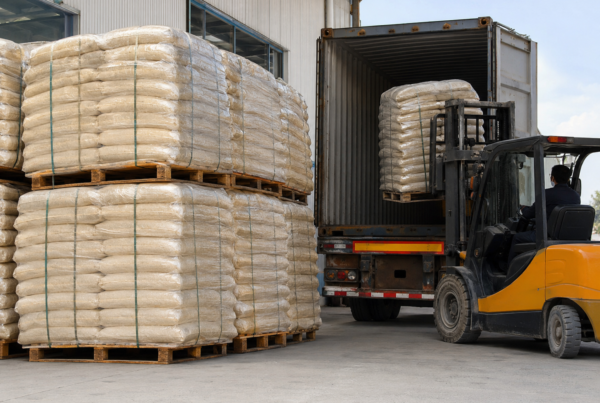
Rajeshri Natural Resources supplies sodium bentonite granules, calcium bentonite granules and other processed bentonite products for domestic and export requirements.
Our team can support product selection based on your intended application, required size, quantity and packaging preference.